COVID-19 SUPPORT
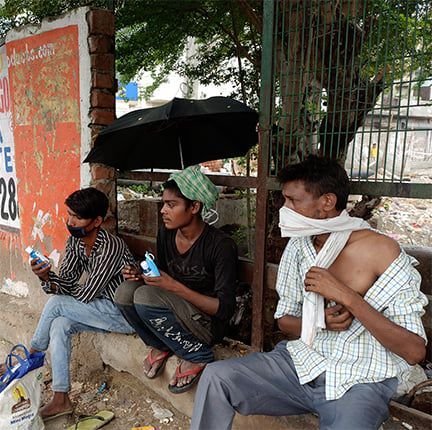
The COVID-19 pandemic challenged individuals, families and neighbourhoods in profound ways. For vulnerable households, especially those living in high-density, low-income settlements, the crisis restricted mobility, depressed incomes and limited access to protective materials. Many families could not purchase masks and sanitizers regularly, while misinformation and fear complicated daily decisions. In this context, Zindgi Smile Foundation (ZSF) positioned a response that was community-centered, dignity-first and safety-led, ensuring relief reached people who needed it most — reliably, respectfully and without crowding.
Our relief model combined three pillars: access to protective supplies, clear health communication and orderly, distanced distribution. Rather than a one-time activity, we designed a structured approach with local mapping, responsible procurement, on-ground demonstrations and follow-up. Volunteers and community leaders worked alongside ZSF staff, helping build trust and encouraging safe behaviour.
Understanding Community Need
Low-income households, migrant workers, domestic helpers, street vendors and other informal sector earners faced the twin pressure of health risk and livelihood loss. Shared living spaces increased exposure, while reduced income limited the ability to replenish basic protection. ZSF coordinators carried out local needs assessments to identify clusters with higher risk, families with senior citizens or young children, and lanes where safe, open-air distribution could be arranged without creating bottlenecks.
This mapping ensured that support was targeted and efficient — preventing duplication, prioritizing the most affected and aligning timing with market closures, curfews and local advisories. It also created a data trail that helped teams plan quantities, routes and communication points.
Relief & Safety Support Provided
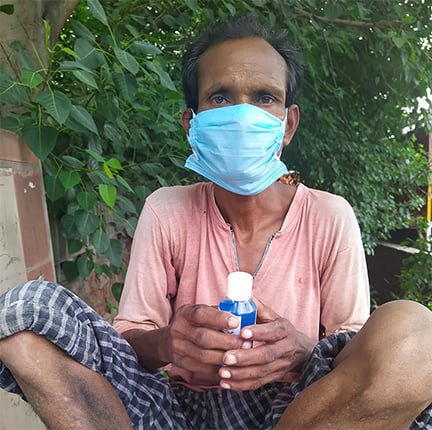
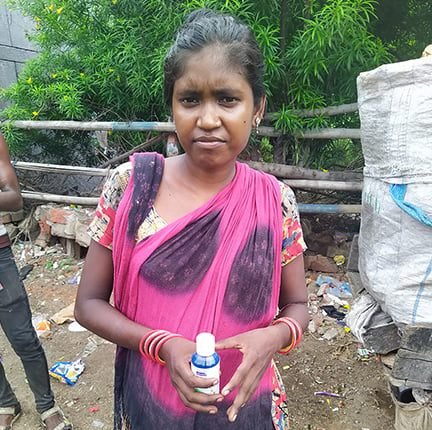
- Organized mask and sanitizer distribution drives across multiple localities.
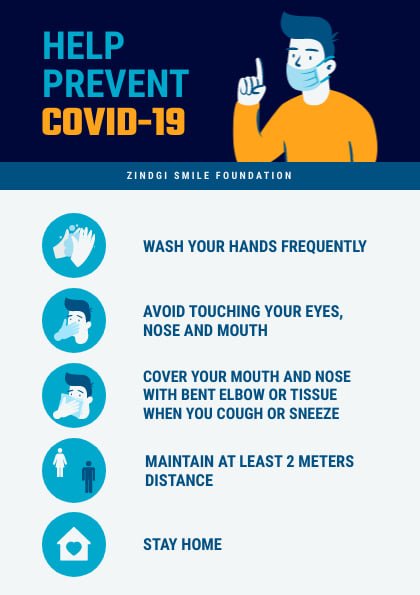
- Delivered practical demonstrations on correct mask wearing and hand-washing duration/technique.
- Set up distanced queues using ground markers to manage flow and reduce contact.
- Ensured every volunteer and beneficiary followed entry screening & sanitization at the point.
- Provided short safety briefings in simple language to counter myths and confusion.
Implementation Model
- 1
Local Mapping
Identify high-density, low-income clusters with community representatives; plot safe, open-air points.
- 2
Responsible Procurement
Source masks and sanitizers from vetted suppliers; ensure safety, quantity planning and transport readiness.
- 3
Safe Distribution
Demarcate circles, enforce one-way movement, provide hand-hygiene stations and volunteer-guided entry.
- 4
Follow-Up & Reinforcement
Check usage after distribution, reinforce behaviour change, note refill requirements and feedback.
Community Participation & Trust
A defining feature of the initiative was co-creation with the community. Youth groups, resident welfare members and local leaders supported planning and crowd guidance. Their involvement strengthened adoption of safety practices, encouraged families to participate without fear and protected dignity throughout the process. Volunteers also helped identify households that might otherwise have been overlooked.
“We could not afford sanitizers regularly. ZSF’s support helped us keep our children safe.” — Beneficiary
“The team was respectful and patient; distribution remained safe and smooth.” — Community Representative